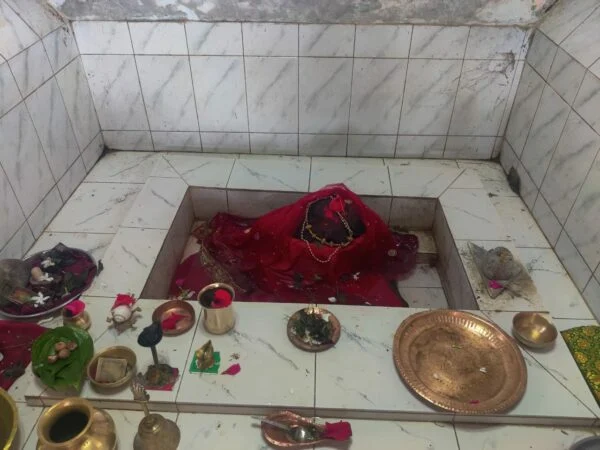
Everything you need to know before arriving — the routes, the seasons, the rituals, and the quiet etiquettes of a sanctum that has welcomed pilgrims for centuries.
Jaintia is reached most commonly through Sylhet city, the regional gateway. International pilgrims usually combine Bangladesh and Indian access routes for a richer journey.
Osmani International Airport at Sylhet is the nearest airport. Direct flights are available from Dhaka, Chittagong, and several Middle East and South Asian cities.
Bourbhag is approximately 40–45 km from Sylhet city, accessible by hired car, taxi, or local transport along the Sylhet–Jaintiapur–Tamabil corridor.
For Indian pilgrims, the Dawki–Tamabil border crossing in Meghalaya is the closest land port — a short drive from the temple after immigration formalities.
Sylhet's rail junction connects to Dhaka and other major cities; from there, road travel completes the journey to Bourbhag.
The most rewarding period to visit Jaintia is from October to March, when the weather is cool, the air clear, and the landscape settled after the monsoon rains.
This window also encompasses the most spiritually intense moments of the year — Navaratri (typically September–October), Durga Puja, and the early winter pilgrim season when communities from across the subcontinent visit on extended yatras.
The monsoon months (June–August) bring extraordinary natural beauty but heavy rainfall, which can affect travel from the Indian border via Dawki. April–May is hot and humid; pilgrims who travel in this season should prepare accordingly.
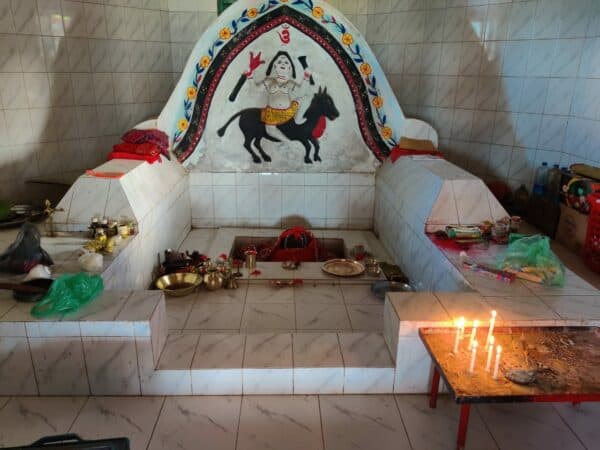
Traditional or modest clothing is expected. Pilgrims often wear sarees, salwar kameez, or unstitched cloth (dhoti). Shoulders and knees should be covered. Bright leather goods are best avoided in the sanctum.
Footwear is removed before entering the temple precinct. Designated shoe-keeping arrangements are typically available; carrying socks or shawls is advised in winter.
Maintain silence or low voice within the sanctum. Refrain from photography near the deity unless permitted. Follow the priest's guidance for any rite or offering.
Common offerings include flowers, fruit, sweets, incense, and red cloth. Local priests can provide a customary thali of offerings on request.
Photography of the temple exterior, courtyard and surroundings is generally welcomed. Always seek permission before photographing other devotees or priests.
Pets, leather items, intoxicants, and disruptive behaviour are not permitted in the temple precinct. The sanctum is held as a place of profound concentration.
Most pilgrims base themselves in Sylhet city, where comfortable hotels, guest houses, and serviced apartments are available across price ranges. The drive to Bourbhag is comfortable for day-visits, with the option to stay overnight in nearby Jaintiapur for a more immersive experience.
For NRIs and international travellers, premium hotels in central Sylhet (Zindabazar, Subid Bazar areas) are well-suited; for traditional-style stays, smaller heritage guest houses near Jaintiapur offer simpler but more atmospheric lodging.
Carry photocopies of passport, visa and identification documents. Keep cash in small denominations for offerings and local transport. Confirm border timing in advance if entering via Dawki. Mobile reception is generally good in Sylhet city; expect intermittent coverage in the hills.
A simple, practical list to ensure your sacred journey is uninterrupted by avoidable inconveniences.
For group pilgrimages, NRI delegations, or institutional visits, the Jaintia Shaktipeeth heritage trust offers personalised guidance and coordination support.
Contact us→