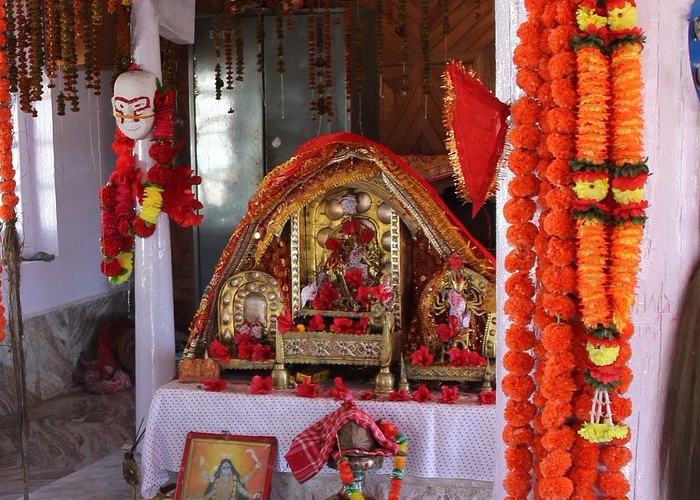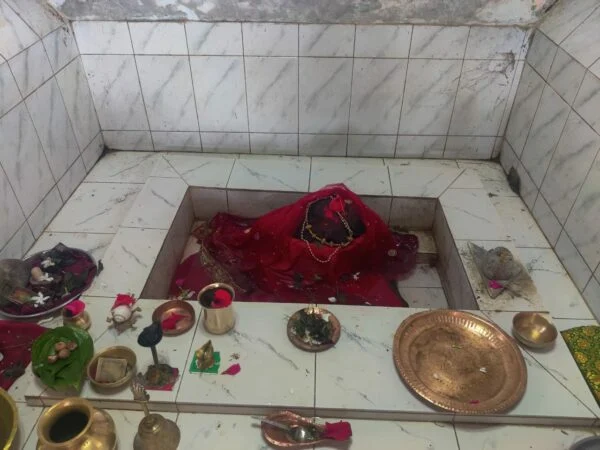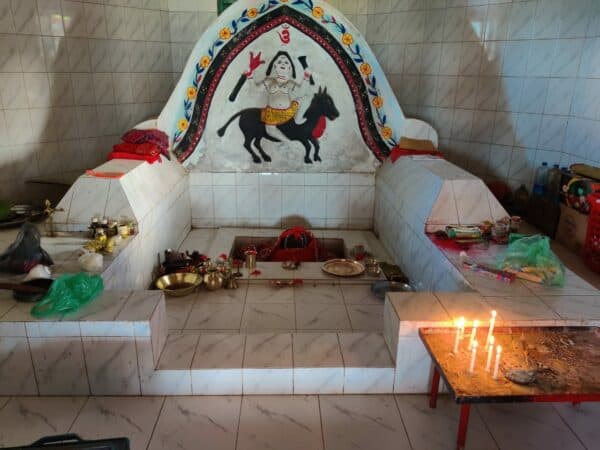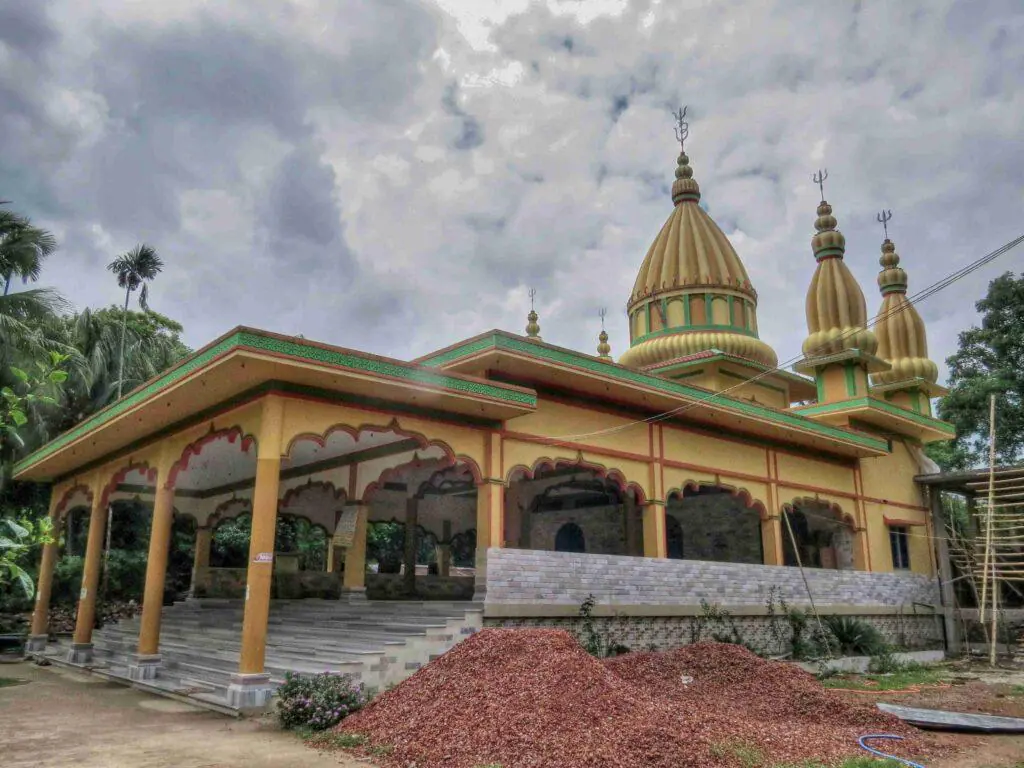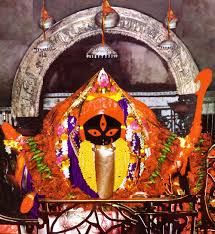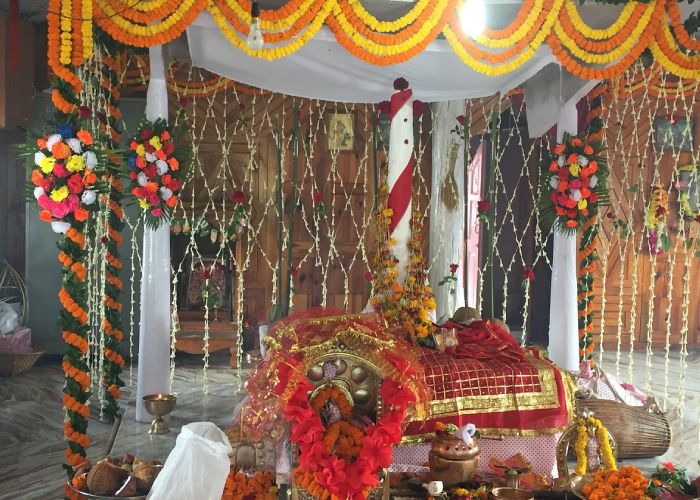
A sanctified shrine in the foothills of the Jaintia Hills — where the left thigh of Goddess Sati is believed to have descended upon the earth, blessing the land with the eternal presence of Devi Jayanti and her consort Lord Kramadishwar.
According to the Puranic tradition, when Lord Shiva carried the body of Sati across the cosmos in unbearable grief, fragments of Her divine form fell upon the earth — each location becoming a Shakti Peetha, an enduring seat of feminine power. At Jayanti, the left thigh of Sati descended, consecrating Bourbhag forever as a place where the Goddess walks among Her devotees.
Today, Jaintia Shaktipeeth stands at the foothills of the Jaintia Hills, in the historic district of Sylhet — a quiet, profound testament to the unbroken civilisational dialogue between India and Bangladesh, between earth and the eternal.
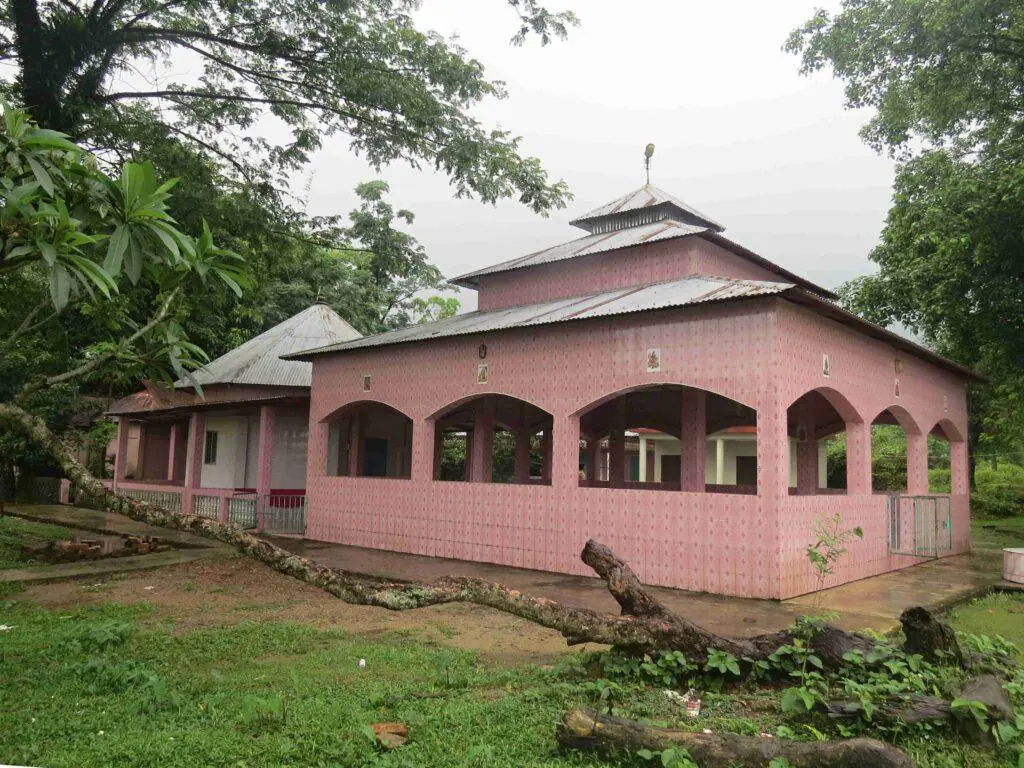
Recognised in the Devi Bhagavata Purana and the Tantrik tradition as one of the original fifty-one seats of the Goddess — a sacred geography that binds the subcontinent together in a single circle of devotion.
The body part of the Goddess that fell upon this earth defines Jayanti's spiritual identity — sanctifying it as a place of strength, stability, and the grounded power of the Divine Feminine.
Worshipped as Jayanti — the Victorious Mother — and her consort Lord Kramadishwar, the rhythmic Lord of progression, this twin presence offers devotees both grace and momentum.
Set against the misty contours of the Jaintia Hills and the Khasi escarpment, the shrine's natural setting evokes the very atmosphere of sacred mountain retreats described in the Puranas.
Jaintia is one of the most important spiritual bridges between the modern nations of India and Bangladesh — a quiet, sovereign reminder of a shared civilisational inheritance preserved across borders.
For devotees of the Shakta path — particularly during Navaratri and Durga Puja — Jaintia remains a living centre of vows, offerings, and ritual remembrance practiced for unbroken centuries.
From the cosmic act of Sati's sacrifice to the living shrine of today — a sacred lineage spanning epochs.
Near Jaintiapur, Sylhet District, Bangladesh — at the foothills of the Jaintia Hills.
Cool, clear weather with peak visitor presence around Navaratri and Durga Puja.
Sylhet city is the regional gateway. Cross-border access is available via the India–Dawki route.
Respectful attire, removed footwear within the sanctum, and quiet reverence are expected.
Bangladesh is home to several of the most ancient Hindu shrines of the subcontinent — and Jaintia Shaktipeeth, set in the lush Sylhet borderland, is among its most spiritually consequential. As cross-border heritage tourism grows, Jaintia is emerging as a flagship destination on the international Shakti Peetha pilgrimage circuit.
Jaintia Shaktipeeth is one of the holiest Shakti Peethas in Bangladesh, located in Bourbhag village near Jaintiapur in the Sylhet District. Hindu pilgrims, scholars and heritage travellers from India, Nepal and the wider diaspora visit this site as part of the larger 51 Shakti Peetha pilgrimage circuit.
The presiding deity is Devi Jayanti — worshipped alongside Lord Kramadishwar. The shrine's setting against the Jaintia Hills places it within one of the most spiritually significant zones of the Bengal–Meghalaya frontier, sustaining centuries of unbroken Shakta worship.
As part of the wider Hindu heritage of Bangladesh, Jaintia carries unique civilisational weight. It is a witness to how sacred sites endure beyond political geographies, and remains an enduring symbol of Indo-Bangladesh shared cultural memory.
From Sylhet city the journey to the Jaintia Hills shrine is one of South Asia's most evocative spiritual passages. The temple's sanctum, ritual schedule, and surrounding heritage landscape form an immersive destination for devotees, researchers and international heritage enthusiasts alike.